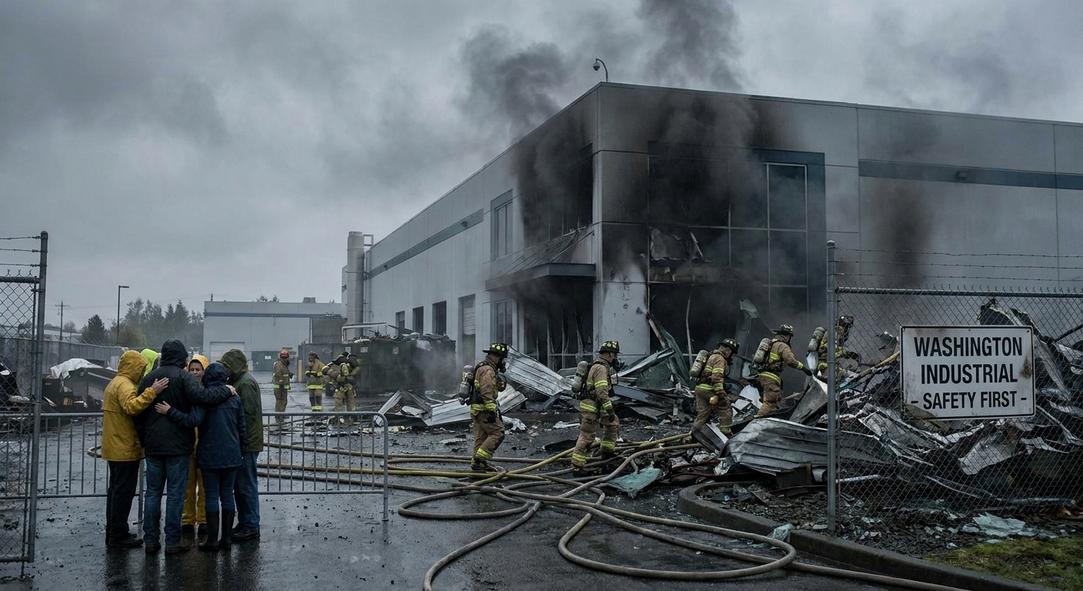
Chemical Tragedy in Washington: Lives Lost, Lessons Learned ☢️
In a world where industrial miracles are often lauded as the backbone of modern life, the recent chemical accident in Washington serves as a stark reminder that progress sometimes comes at a tragic cost. The untimely loss of eleven lives 🙏, witnessed through this grievous incident, shatters any illusion of a perfectly safeguarded industrial landscape.
The initial silence around the accident was as deafening as the incident itself, a silence eventually pierced by the cold reality of what had transpired. One could argue it was a disaster waiting to happen, like a ticking time bomb barely whispered about yet ever-present. Were safety measures truly as robust as they were claimed to be, or was this tragedy an unfortunate outcome of complacency?
The Anatomy of the Accident
At the heart of this tragedy, ironically, was a promise of progress. The plant, hailed as a pioneer for its cutting-edge techniques in chemical refinement, was viewed as an industrial titan. Yet, in this realm where titanium strength should have been the norm, clay feet buckled with devastating results. The subtle intricacies of chemical processing, unforgiving as a tempest at sea, demanded a level of vigilance akin to that of a tightrope walker above a yawning abyss.
Thorough investigations have revealed that the chemical in question, a volatile component often associated with multiple safeguards, was subjected to handling so reckless it mimicked juggling razor-sharp knives. The failure, both in operational checks and emergency protocols, has left experts and onlookers alike questioning where the link in the safety chain snapped. 🔗
What should have been a routine procedure turned catastrophic, highlighting a stark antithesis between anticipated outcomes and grim reality. The juxtaposition of technology-lauded efficiency versus raw human error invites a solemn reflection on the thin veil separating advancement from disaster.
Beyond Numbers: Human Lives and Echoes of Grief
Statistics, so often paraded in sterile columns, fall woefully short in capturing the human essence lost in such calamities. Eleven souls, as unique and as complex as the intricate compounds they worked with, are now forever interwoven with the fabric of industrial lore. Their stories are not just cautionary tales but urgent reminders of the stakes intertwined with workplace negligence.
- Each victim’s journey abruptly halted, leaving behind a void deeper than any financial ledger can comprehend.
- Their collective departure presents a tragic tableau, akin to a masterpiece ripped from its frame before anyone could appreciate its details.
- Communities now left to grapple with absence, mourning under a cloud of what-ifs that hang as heavily as the morning fog over the landscape of Washington.
The Way Forward: Safeguarding Industrial Progress
In the aftermath, a challenging question lingers: How do we honor these lives with more than platitudes? Enhancing industrial safety regulations seems the obvious answer, yet it requires more than ticking boxes. It demands proactive envisioning of the unthinkable. When was the last time reality exceeded our expectations in safety protocols rather than in tragedy?
The need for empathy-driven reform is as pressing as the disasters themselves. We must ask ourselves, are we dedicated enough to dream beyond the standard norms as we propel into the unknown realms of the future? 🌟 Shouldn’t safety evolve in synchrony with the ingenious strides within the industrial sector, ensuring no more spaces for complacency?
In memory of those we lost, let the lessons learned shine brightly—a beacon guiding our endeavors to harness industry without compromising on humanity. It is said that hindsight is 20/20, but foresight, gilded with precaution and deeper commitment, should be our ultimate goal. 🕊️